The Willow Harvest
A Case Study and Research Report on Horticultural Ecotherapy

Ecorestoration therapy (also known as horticultural ecotherapy or green therapy) operates on a principle of mutual healing: by actively working to restore, harvest, or nurture natural environments, human beings experience profound mental and physical health benefits, while the ecosystem directly benefits from human stewardship.
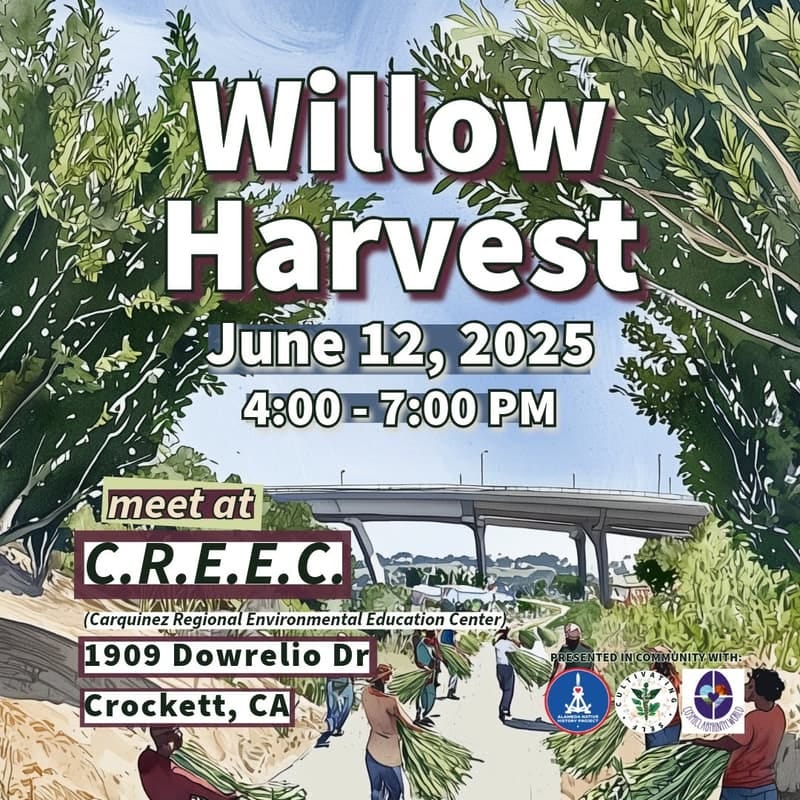
This report analyzes recent local survey data from the June 12, 2025 Willow Harvest ecorestoration festival in Crockett, California, cross-referencing the findings with peer-reviewed scientific literature. The data conclusively proves that participation in ecorestoration therapy significantly improves human psychological well-being while directly promoting long-term ecological preservation.
Part 1:
The Local Impact – Willow Harvest Ecorestoration Data
A survey of the 20 participants who engaged in a local Willow Harvest event demonstrates the immediate, high-impact benefits of active nature immersion. Participants engaged in hands-on environmental work and provided feedback on a 5-point scale.
Psychological and Emotional Benefits to Participants:
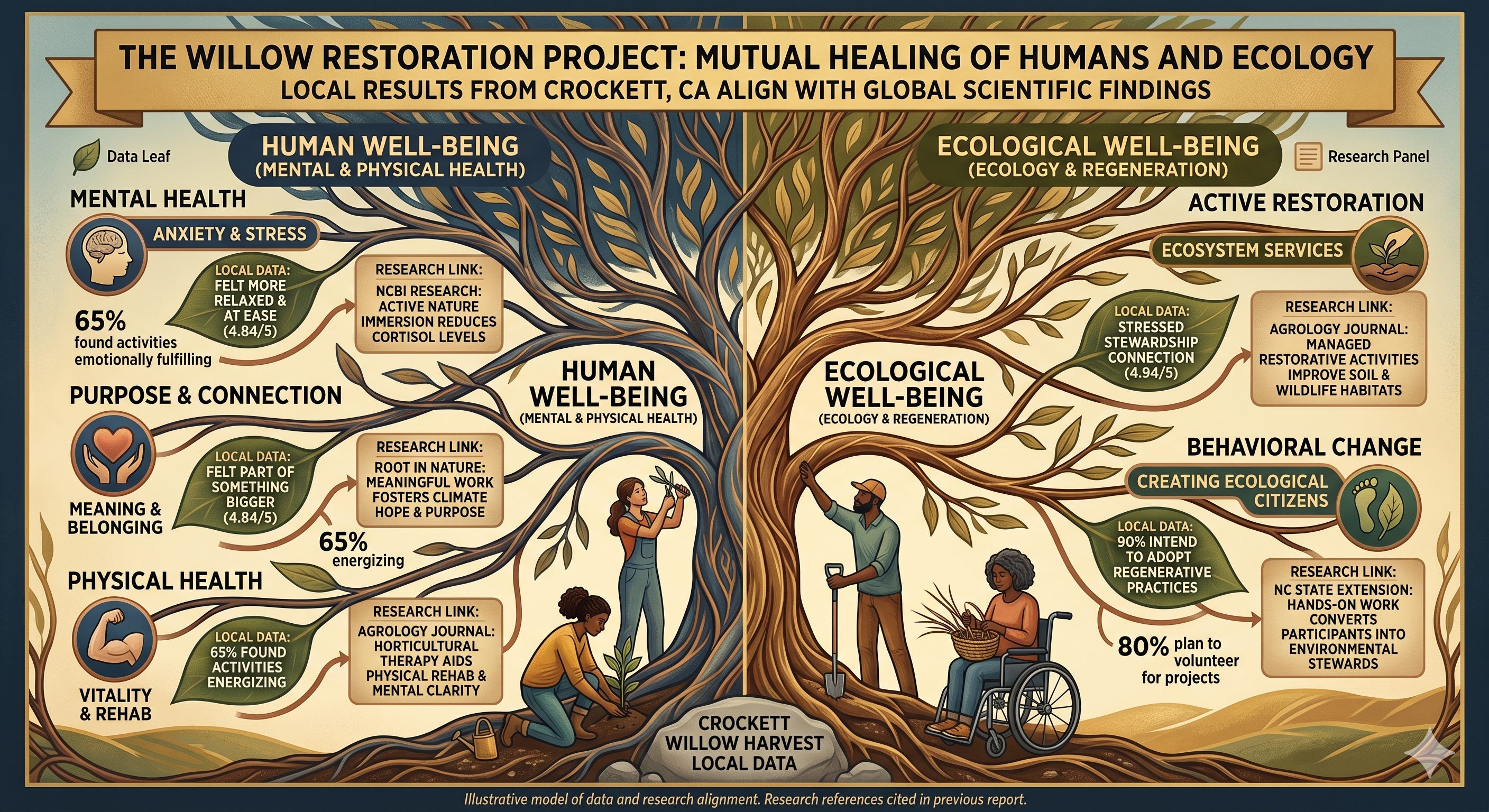
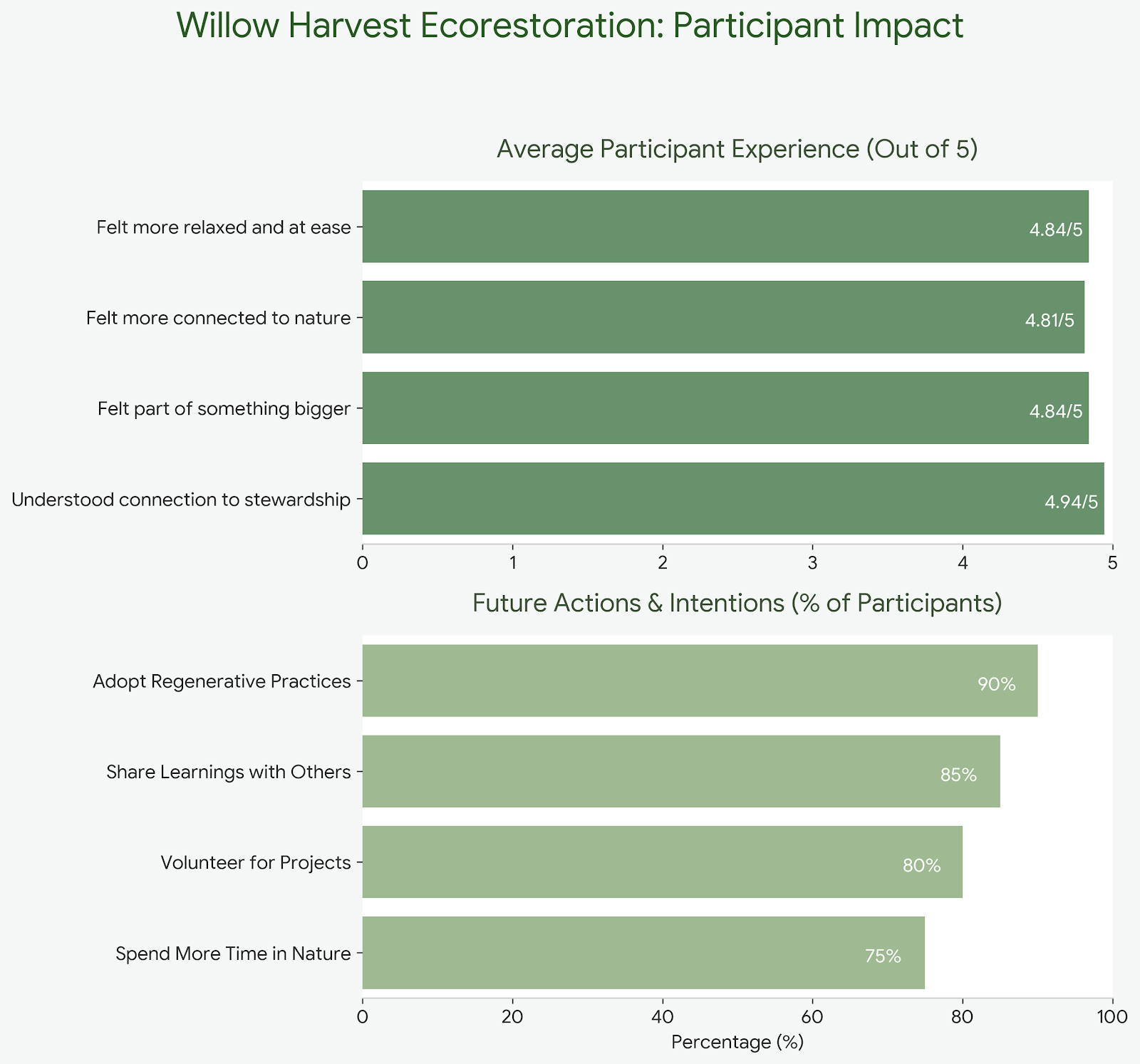
Deepened Connection to Nature: Participants rated their feeling of connection to nature post-event at an extraordinary 4.81 out of 5.
Stress Reduction: The activities helped participants feel “more relaxed and at ease,” scoring an average of 4.84 out of 5.
Furthermore, 75% of the group explicitly labeled the physical work as “Relaxing,” while 65% found it “Energizing” and “Emotionally fulfilling.”
Sense of Belonging: Participants rated the feeling of being “part of something bigger than myself” at 4.84 out of 5.
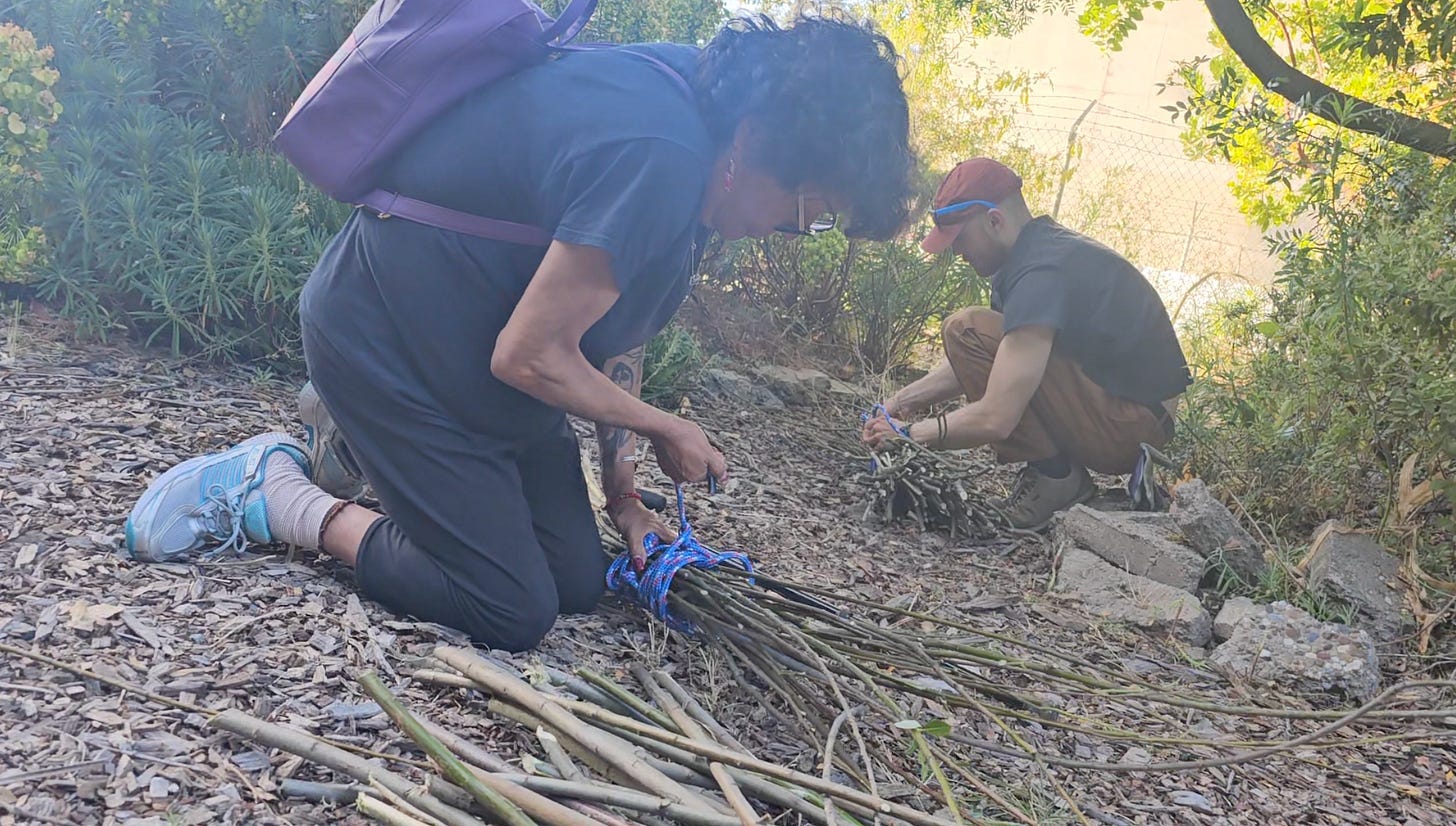
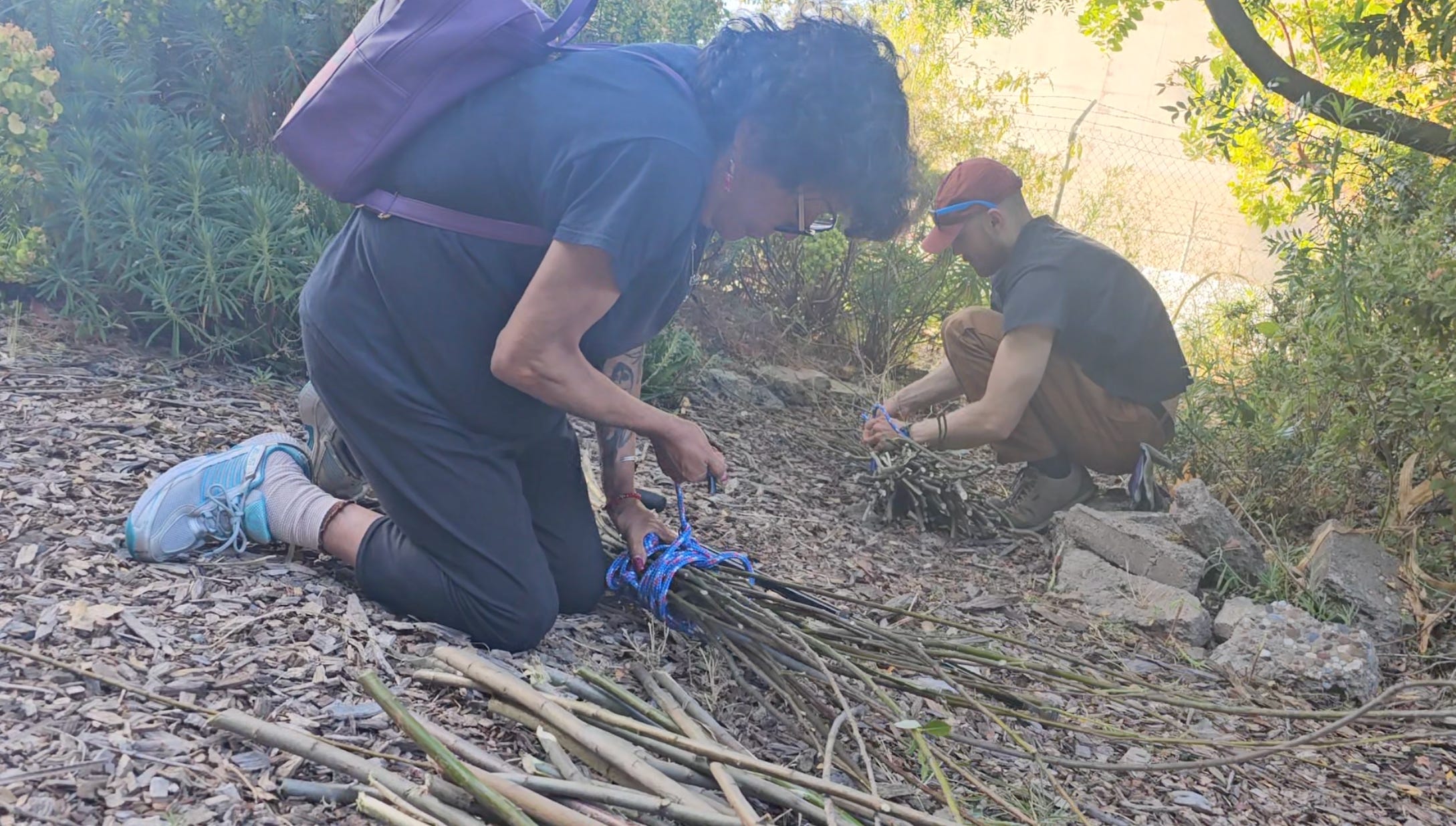
Behavioral Benefits to the Ecology:
Beyond the immediate physical labor of the harvest, the event fostered immense pro-environmental behavioral shifts. Ecorestoration therapy acts as a catalyst for long-term ecological stewardship:
90% of participants (18 out of 20) stated they plan to adopt more regenerative practices in their daily lives (e.g., composting, reducing waste).
80% (16 out of 20) intend to volunteer for future environmental projects
Participants rated their understanding of the connection between access to green spaces and environmental stewardship at a near-perfect 4.94 out of 5.
Genki Ball bioremediation of Carquinez watershed
Part 2:
Scientific Proof of Benefits to Participants
The local findings from the Willow Harvest are heavily supported by global research, which confirms that horticultural and ecorestoration therapy yields tangible health metrics.
1. Reductions in Anxiety, Depression, and Cortisol
According to research published in the National Center for Biotechnology Information (NCBI), engaging in nature-based therapies decreases depression scores, lowers blood pressure, and reduces the stress hormone cortisol. The physical activity combined with the sensory immersion of the outdoors allows participants to disengage from the fast pace of urban living, combating mental fatigue and cognitive overload [1].

2. The Power of “Biophilia” and Meaningful Work
A meta-analysis on the impacts of ecological restoration on human wellbeing highlights that participating in environmental conservation provides a profound “sense of purpose” and self-esteem. Humans have an innate affinity for nature (biophilia). Working to restore a habitat transforms passive “nature exposure” into active “nature connection,” which has been proven to alleviate symptoms of climate anxiety and isolation by empowering participants to take meaningful, tangible action [2].
3. Improved Quality of Life
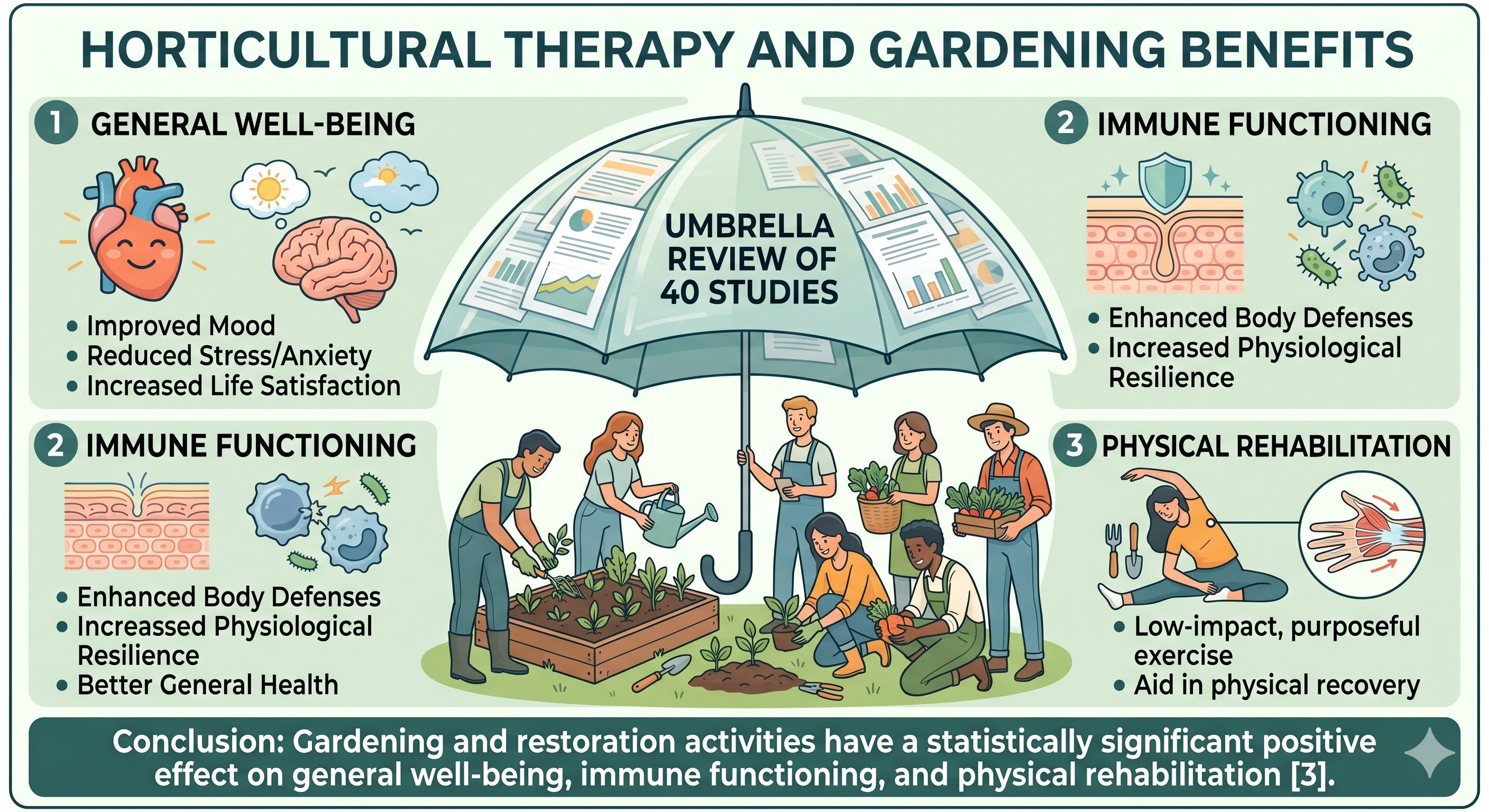
An umbrella review of 40 studies regarding horticultural therapy concluded that gardening and restoration activities have a statistically significant positive effect on general well-being, immune functioning, and physical rehabilitation [3].
Part 3:
Scientific Proof of Benefits to the Ecology
The relationship in ecorestoration therapy is transactional; the environment heals the human, and the human heals the environment.
1. Direct Ecosystem Services and Biodiversity
According to the Agrology Journal, therapeutic horticulture and ecorestoration directly intersect with urban green space management and biodiversity conservation. Managed restorative activities—like pulling invasive species, harvesting willow, or planting native flora—improve microclimate regulation, air purification, and local wildlife habitats. The gardens and habitats transition from simply being “pretty spaces” to living, thriving infrastructures [4].
2. Creation of Ecological Citizens
As seen in the Willow Harvest data, ecotherapy creates “ecological literacy.” A report from NC State Extension on Sustainability in Therapeutic Horticulture notes that when people get their hands in the dirt, they develop a profound respect for the resilience of plants. This translates directly into a reduction of their personal ecological footprint. The act of restoring a natural space teaches participants about water conservation, soil health, and organic methods, which they then take back to their communities [5].
3. Symbiotic Reciprocity
Research into the “ecotherapies” demonstrates a concept of transactional reciprocity. In conservation volunteering (such as land management programs or forest restoration), researchers note that the active management of the land prevents environmental degradation while simultaneous acting as a public health intervention. You cannot achieve the mental health benefits of the therapy without physically improving the ecosystem [6].
Conclusion
The data from the Crockett Willow Harvest, corroborated by international scientific research, proves that ecorestoration therapy is a highly effective, dual-purpose intervention. It should not be viewed merely as a recreational activity, but as a critical public health and environmental tool. By engaging communities in the physical care and restoration of their local ecosystems, we actively mitigate human mental health crises (like anxiety and depression) while simultaneously combating ecological degradation.
References & Further Reading:
Nature-Based Therapy in Individuals with Mental Health Disorders (PMC / NCBI): https://pmc.ncbi.nlm.nih.gov/articles/PMC9914984/
A Mountain of Health Benefits? Impacts of Ecological Restoration Activities on Human Wellbeing (Root in Nature): https://rootinnature.ca/research/a-mountain-of-health-benefits-impacts-of-ecological-restoration-activities-on-human-wellbeing-2/
The impact of gardening on well-being, mental health, and quality of life: an umbrella review and meta-analysis (PMC): https://pmc.ncbi.nlm.nih.gov/articles/PMC10823662/
Restorative landscapes in urban green infrastructure: The ecological and psychosocial roles of horticultural therapy (Agrology): https://agrologyjournal.com/index.php/agrology/article/view/177
Sustainability in Therapeutic Horticulture (NC State Extension): https://therapeutic-hort.ces.ncsu.edu/2025/09/sustainability-in-therapeutic-horticulture/
A Qualitative Exploration of Ecocentric Perspectives and Mutualistic Wellbeing in the Ecotherapies (Australian Psychological Society): https://psychology.org.au/getmedia/9e9a68d5-9458-4e42-ad46-85f7c89e2ac8/lenehan.pdf